San Antonio brings heat, sun, and long drives across open highways. For many drivers and homeowners here, window tinting is not a decorative afterthought but a practical upgrade that touches safety, comfort, and long-term cost. Below I walk through ten reasons people choose window tinting in San Antonio, drawing on hands-on experience with installations, conversations with local shops, and a few practical numbers that matter when you decide whether to tint now or later.
Why auto window tinting consider tinting at all
Sunlight in south central Texas is more intense than in much of the country. On a hot summer afternoon, interior cabin temperatures can spike quickly, and prolonged exposure to ultraviolet light damages upholstery and skin. I remember a customer who came in with a cracked dash and faded leather after three Texas summers; they estimated the replacement bill at several thousand dollars. A single quality tint job postponed that expense and made the car usable during summer errands. That moment—seeing immediate comfort gains and the prospect of long-term savings—captures why many San Antonio residents make this choice.
Keeps your vehicle cooler and reduces energy useTinting blocks a meaningful portion of solar heat, which translates into lower cabin temperatures and less demand on the air conditioning. The temperature difference is not theoretical. With a mid-range ceramic tint, expect interior surface temperatures to drop by roughly 10 to 20 degrees Fahrenheit in direct sun, depending on tint grade and vehicle color. That makes a parked car tolerable and reduces the run time for the AC when you start driving, which improves fuel economy or electric range in modest but measurable ways.
Beyond comfort, that cooling effect reduces wear on HVAC components. In the shops, I’ve watched customers with repeated compressor failures slow down their visits after tinting. They still use the AC heavily, but not with the same strain on components that are constantly trying to cool a 120 degree interior.
Protects skin and reduces UV exposureUltraviolet rays accelerate skin aging and raise risk for certain skin cancers. Not all tint films are equal, but reputable films block up to 99 percent of UV-A and UV-B rays. For people who drive long hours, such as rideshare drivers or sales reps, that protection accumulates over years. One paramedical tech I worked with keeps a rear-seat passenger shade on their daily driver because they often transport patients; the difference in sunburn risk was clear after a season.
If you spend a lot of time behind the wheel, treating windows like an extension of your sunscreen is not an exaggeration. Good window tinting san antonio shops will show you independent lab ratings for UV rejection rather than just marketing claims.
Reduces glare and improves driving safetyGlare from low sun and reflective surfaces can momentarily blind a driver and increase reaction times. A well-chosen tint reduces glare without unduly darkening forward visibility. There’s nuance here. Drivers often think the darkest film is safest because it cuts glare the most, but legal limits and nighttime visibility concerns matter. For daily urban driving in San Antonio, a medium-transparency film that cuts glare and preserves sight lines tends to be the best trade-off.
I once replaced a cheap, heavily mirrored film on a commuter car because the driver could not see road signs at dusk. After switching to a high-quality, legal-compliant film with neutral coloring, their confidence returned and they reported fewer near-miss incidents in bright conditions.
Protects interior materials and resale valueLeather, vinyl, plastics, and fabric fade and crack under prolonged sun exposure. Upholstery repair or replacement is expensive. A properly installed tint acts as a filter that slows that damage significantly. For people planning to sell or trade their car in the next few years, that preservation can translate to a better resale price. Dealers notice well-kept interiors; when two comparable used cars arrive, the one with intact trim and undamaged dash often commands a higher offer.
Householders also benefit. South- or west-facing windows in older homes pick up a lot of noon sun. Tinting windows that get long stretches of direct light helps protect flooring, art, and fabrics, improving longevity without resorting to heavy drapes that block the view.
Improves privacy and securityPrivacy is a common reason people type window tint near me into search bars. Tinted windows obscure valuables from casual view and reduce the feeling of being exposed while parked or stopped. For drivers who keep tools, electronics, or packages in their vehicles, that small obscuration can deter opportunistic theft.
There’s a trade-off to consider: visibility to and from your vehicle. Too dark a rear window can make reversing at night more hazardous if the film is not chosen with night visibility in mind. For residential installation, privacy films are useful on street-facing windows, but plan the placement so living areas still feel open when you want them to.
Enhances comfort and reduces interior noiseHigher-end films do more than block light. Ceramic and some metalized tints reduce infrared heat and also dampen outside noise slightly by adding a layer between glass and cabin. That makes highways sound softer and conversation more pleasant on long drives. I noticed this effect when installing a premium film on a customer’s sedan; they commented afterward that the car felt more like a quiet cabin than a rolling tin box.
This acoustic benefit is not huge, but when combined with reduced heat and glare it contributes to an overall upgrade in ride comfort. If you frequently drive early in the morning or late at night and value a quieter space, ask installers about films with noise-reducing properties.
Meets legal and safety standards when done correctlyTexas and local San Antonio ordinances set limits on how dark and reflective vehicle tints can be. Ignoring those rules invites fines and mandatory removal. The best shops will guide you through the legal limits for front, rear, and windshield tints and issue a compliance sticker where required. They will also install films that are compatible with side and curtain airbags, ensuring the vehicle’s safety systems are not impeded.
From experience, I recommend using a reputable local shop for this reason alone. They know the nuances of San Antonio enforcement and will adjust the visible light transmission to meet state law while still maximizing benefits like heat rejection.
Adds an aesthetic upgrade without major alterationA tasteful tint can modernize a car’s look and create a cleaner silhouette. It window tinting san antonio is a relatively low-cost aesthetic modification compared with custom paint or bodywork, but it is reversible. Owners who like a subtle but impactful change often start with a medium-tone film that complements the vehicle color. Pairing tint with wheels or a grille change can make an older model look several years younger.
Beware of overly dark or mirrored films that attract negative attention or run afoul of local norms. A balanced choice yields a nicer vehicle without dramatic alteration.
Durable protection against glass shatteringCertain safety films are designed to hold glass fragments together during impacts, whether from accidents or attempted break-ins. That film does not make tempered glass unbreakable, but it reduces the risk of glass shards flying into the cabin. For families with children, that containment offers a real safety advantage in collisions or rollovers.
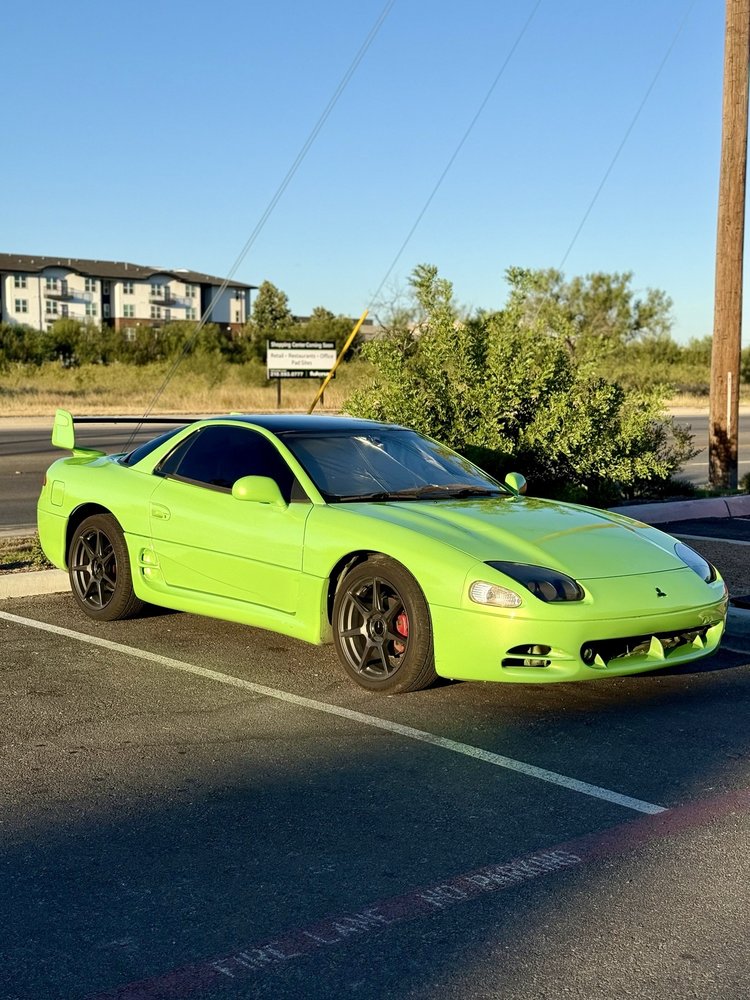
This is one of those cases where you pay more for a specific property. If your primary concern is impact resistance rather than heat rejection, shop for a safety-grade laminated film and discuss its performance in blunt-force and smash-and-grab scenarios.
Cost-effective over the medium termTint installation costs vary widely depending on film type, vehicle complexity, and shop reputation. Typical ranges for a complete four-door vehicle run from a few hundred dollars for a basic dyed film to over a thousand dollars for premium ceramic or safety films. Factor in the avoided costs of early interior replacement, lower AC strain, and potential resale premiums, and many owners see a tangible return within a few years. For example, if tinting reduces direct-sun damage and delays a dash replacement that would have cost $1,000, that alone may justify the initial outlay.
Shopping tips that save time and money
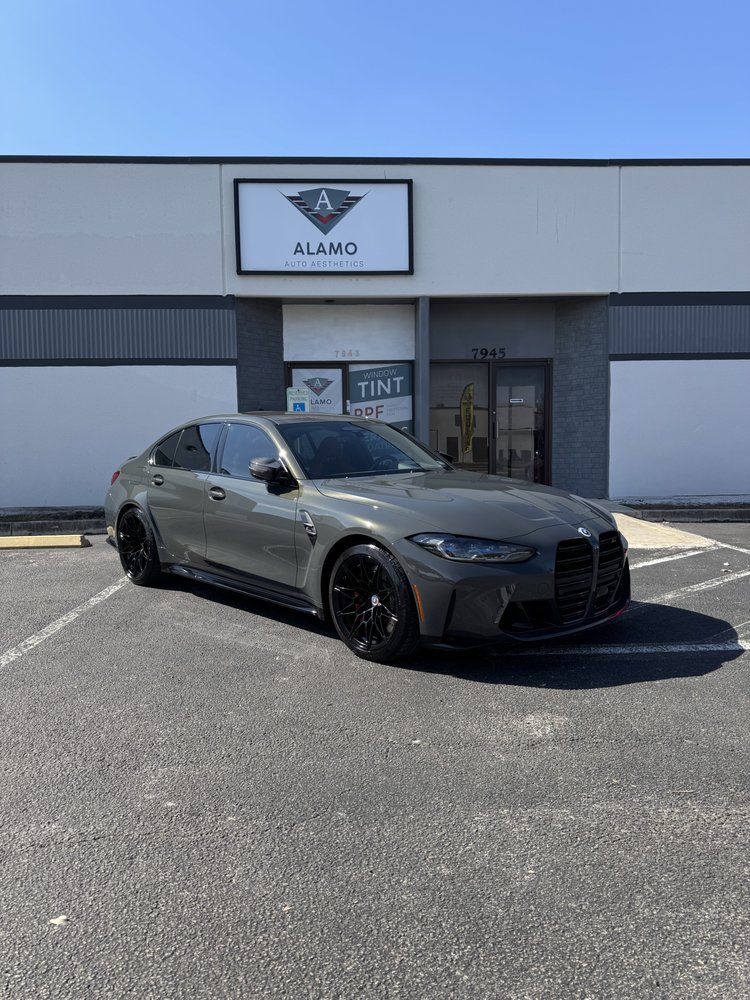
- verify the shop’s experience with the film brand and vehicle types you own ask for a demonstration of UV and heat rejection or independent lab ratings confirm legal compliance for visible light transmission on your vehicle get a written warranty for bubbling, peeling, and adhesive failure inspect a completed install under sunlight before final payment
These five checks are simple but they separate a quick, cheap job from a durable, well-executed one. A shop that welcomes these questions is usually confident in their craft.
Choosing the right film for San Antonio conditions
Not every film is appropriate for every vehicle or homeowner. Lower-cost dyed films provide shade and privacy but fade with time and offer limited heat rejection. Metalized films perform better for heat but can interfere with some antennas and signals. Ceramic films cost more but deliver strong heat and UV rejection without conductivity issues. Safety films add fragmentation resistance. Evaluate your priorities: are you after maximum heat rejection, signal neutrality, safety, or cost control? Often the sweet spot for San Antonio drivers is a mid- to high-grade ceramic film for windows and a laminated safety film for front windshield edge protection if you frequently carry passengers.
Real-world timeline and expectations
A typical residential appointment for a single room takes a couple of hours, plus drying and cleanup. Vehicle installs usually require one to three hours depending on complexity; full-wrap or multi-panel installations take longer. Expect an initial “curing” period of several days to a few weeks for adhesive to set and for small creases to smooth out. During this time, the film may exhibit a slight haze or appear darker in places; that usually resolves. If bubbling or lifting persists beyond the curing window, contact your installer under warranty.
Common trade-offs and edge cases
If you live in an apartment with strict HOA rules or an old home with historic windows, tinting can raise regulatory or preservation concerns. In those cases, consider removable solar screens or interior roller shades that offer many of the same benefits without altering exterior appearance. For vehicles, panoramic or tinted windshields are often illegal and unsafe; never install a windshield film that reduces forward visibility below legal standards.
Another edge case is resale for niche enthusiasts. Extremely dark or highly customized tints may reduce appeal to a broad buyer pool. If you plan to sell to traditional buyers quickly, stick to factory-compliant tint levels and neutral colors.
Finding local installers and comparing quotes
Search for san antonio window tinting shops that carry reputable film brands, have visible portfolios, and offer clear warranty terms. Visit the shop in person when possible, inspect completed work on similar vehicles, and ask about the installer’s experience. A credible installer will explain the differences between dyed, metalized, and ceramic films without pressuring you. Price is important, but so is workmanship and warranty. A slightly higher price for a guaranteed install that uses a durable film usually pays off.
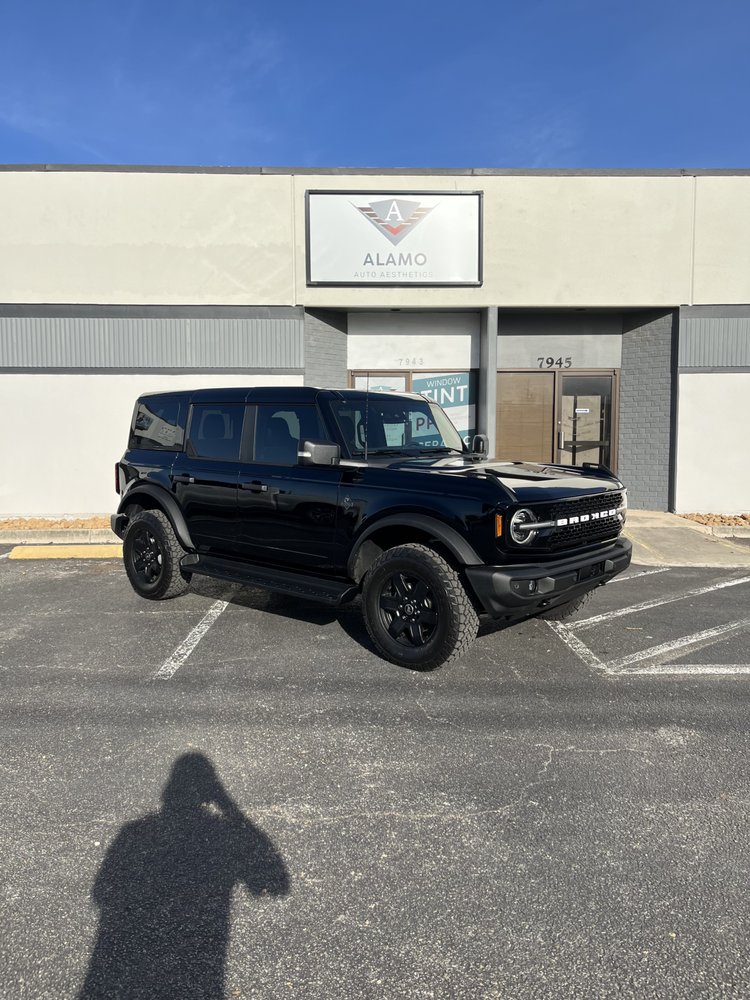
If you type window tint near me into a search engine, prioritize shops with recent, verifiable reviews and photos. Ask for a quote that lists film brand, VLT percentage if applicable, and warranty length. Avoid shops that cannot provide any technical details about the film they use.
Final practical considerations
Tinting is not an instant, invisible fix. It is a measured upgrade that improves comfort, health protection, privacy, and longevity when chosen and installed correctly. In San Antonio, where sun intensity and heat are part of daily life, the benefits are especially tangible. Expect sensible returns on comfort and preservation rather than dramatic performance boosts. If you drive regularly, carry passengers, or want to protect home interiors, window tinting san antonio services are worth exploring.
If you contact a shop, bring questions about UV rejection percentages, heat rejection estimates, warranty coverage, and legal compliance. Ask to see sample films and finished installations. A well-informed decision based on these factors will leave you with a more comfortable ride and fewer surprises down the road.
Alamo Auto Aesthetics PPF, Tints, Wraps 7943 Mainland Dr, San Antonio, TX 78250, United States +1 210-361-3765 https://alamoautoaesthetics.com/ Instagram: https://www.instagram.com/alamoautoaesthetics Facebook: https://www.facebook.com/profile.php?id=61576817309936 YouTube: https://www.youtube.com/@Alamoautoaesthetics Tiktok: https://www.tiktok.com/@alamoautoaesthetics
Alamo Auto Aesthetics PPF, Tints, Wraps 7943 Mainland Dr, San Antonio, TX 78250, United States +1 210-361-3765 Website: https://alamoautoaesthetics.com/